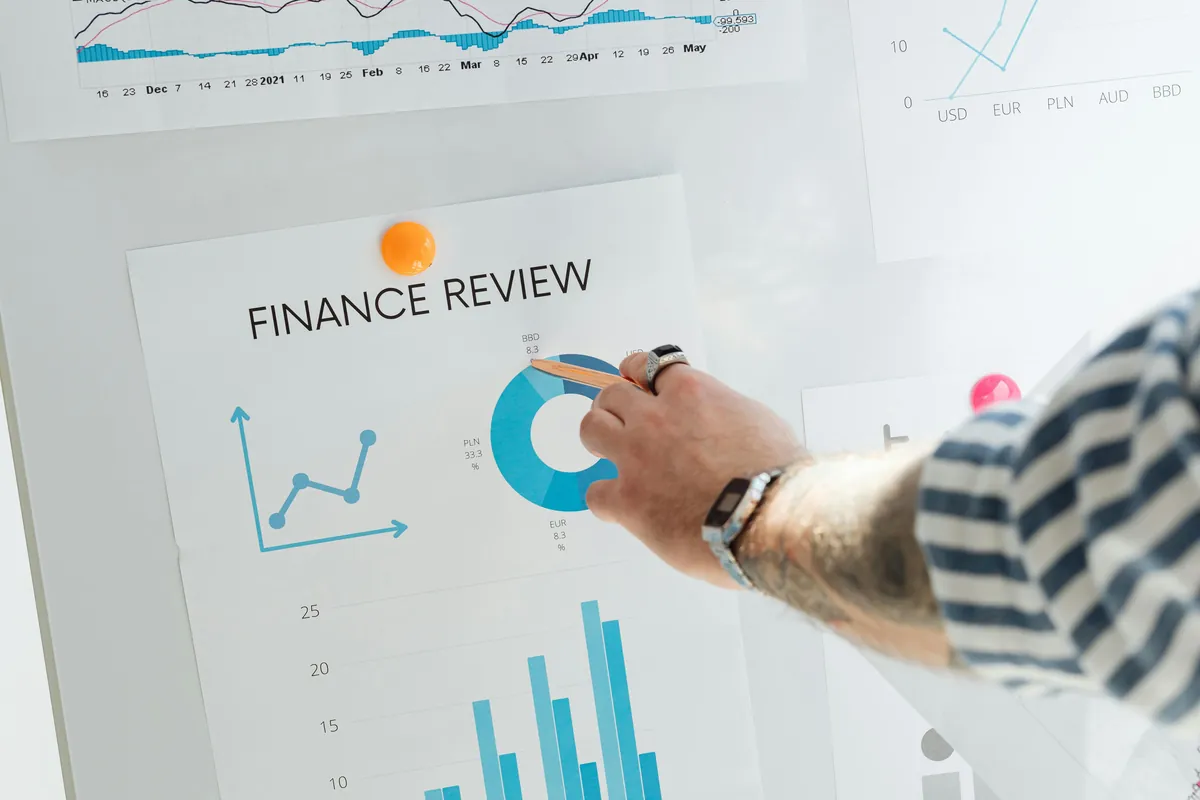
The us economic growth is more than just a number reported quarterly; it reflects the overall health and vitality of the nation’s economy. Whether you are a policymaker, an investor, or just an engaged citizen, tracking economic growth helps you gauge opportunities, risks, and the direction in which the country is heading.
As the world’s largest economy, changes in US economic growth reverberate globally. From job creation and consumer spending to innovation and international trade, economic growth impacts daily life in significant ways. Understanding the forces driving or hindering growth can provide valuable insights into broader societal trends.
In this article, we’ll break down recent patterns in US economic growth, explore key contributing factors, and look ahead to what the future might hold. Whether you are looking for data-driven analysis or a clearer understanding of how growth affects the business landscape, this guide aims to illuminate the topic. Wikipedia
What Drives US Economic Growth?
Consumer Spending and Demand
Consumer spending is a core engine of US economic growth. When households increase their expenditures on goods and services, businesses expand production and hire more workers. This cycle fuels GDP growth and contributes to higher living standards.
Factors influencing consumer demand include wage growth, job security, and access to credit. For example, when unemployment is low and wages rise, people tend to spend more freely, supporting robust economic expansion.
Business Investment and Innovation
Investment in machinery, technology, and infrastructure boosts productivity — a critical element of sustained economic growth. US companies often invest in new technologies to gain competitive advantages and create more efficient production processes.
Moreover, innovation spurs new industries and markets. The rise of the tech sector, renewable energy, and advanced manufacturing are prime examples of how innovation drives long-term economic growth. The Best Newspapers to Follow for Business Insights in 2024
Government Policy and Fiscal Stimulus
Government spending and taxation policies can accelerate or slow economic growth. Fiscal stimulus, such as infrastructure projects or direct payments to citizens, can boost demand in economic downturns.
Conversely, high taxes or excessive regulation might stifle business activity and reduce investment incentives. Balancing these factors is crucial for fostering a healthy business environment and consistent growth.
Recent Trends in US Economic Growth
Post-Pandemic Recovery
After the sharp contraction in 2020 due to the COVID-19 pandemic, the US economy rebounded swiftly in 2021 and into 2022. A combination of fiscal stimulus, reopening of businesses, and vaccine rollouts restored consumer confidence and spending power.
However, this rapid recovery has encountered headwinds such as supply chain disruptions and rising inflation. These factors have complicated the growth outlook, leading to mixed signals in recent economic reports.
Inflation and Interest Rates Impact
Inflation surged to levels not seen in decades, prompting the Federal Reserve to tighten monetary policy with multiple interest rate hikes. Higher borrowing costs have started to dampen business investment and consumer purchases of big-ticket items like homes and cars.
While the rate increases aim to cool inflation, they also risk slowing economic growth too much, potentially leading to a recession. This uncertain balancing act has become a focal point for economists and business leaders alike.
Labor Market Dynamics
The US labor market remains relatively strong, with unemployment rates near historic lows. However, labor shortages in certain sectors have pushed wages higher, which can be both a growth driver and a source of inflationary pressure.
Long-term demographic changes, including retiring baby boomers and changing workforce participation rates, also influence labor availability and productivity — key components in the growth equation.
Challenges Threatening US Economic Growth
Global Supply Chain Disruptions
Persistent supply chain issues have slowed production and increased costs for many American businesses. Dependency on international supply lines for critical components exposes the US economy to geopolitical risks and trade tensions.
Addressing these vulnerabilities requires strategic investments in domestic manufacturing and diversified supply networks.
Income Inequality and Social Mobility
Rising income inequality poses a challenge to sustained economic growth. When wealth concentrates among a small segment of the population, it can reduce overall consumer demand and lead to social instability.
Promoting equitable economic opportunities and investing in education and workforce development are essential to maintaining a broad-based growth trajectory.
Environmental and Climate Concerns
Climate change and environmental degradation present risks to various sectors, including agriculture, insurance, and real estate. The transition to a greener economy requires upfront costs but also offers opportunities for innovation and new industries.
Balancing economic growth with environmental sustainability is increasingly critical for long-term prosperity.
Looking Ahead: The Future of US Economic Growth
Technological Advancements
Emerging technologies like artificial intelligence, advanced robotics, and clean energy promise to reshape economic growth patterns. These innovations can boost productivity and open new markets, but also require significant adaptation across industries and labor forces.
Policy Outlook and Economic Strategy
Decisions made by policymakers regarding infrastructure investment, taxation, trade, and regulation will decisively influence the growth pathway. Strategic investments in education, healthcare, and technology infrastructure can enhance competitiveness.
Policies aimed at fostering entrepreneurship and supporting small businesses will also be vital in sustaining vibrant economic growth.
Demographic Shifts
The aging population and changing immigration patterns will affect the size and productivity of the workforce. Addressing these demographic trends through inclusive labor market policies and skills training is essential to maintaining growth momentum.
Conclusion
US economic growth remains a complex interplay of consumer behavior, business innovation, government policy, and global factors. While challenges like inflation, supply chain issues, and social inequality pose risks, opportunities abound in technological progress and strategic policy reforms.
Understanding these dynamics is critical for navigating the evolving economic landscape. Whether for business leaders, investors, or everyday Americans, staying informed about us economic growth trends equips you to anticipate changes and make smarter decisions.
FAQ
What factors most influence US economic growth?
US economic growth is primarily influenced by consumer spending, business investment, innovation, government policies, and labor market conditions. External factors like global trade and geopolitical events also play significant roles.
How has the COVID-19 pandemic affected US economic growth?
The pandemic caused a sharp economic contraction in 2020, followed by a strong recovery supported by fiscal stimulus and reopening efforts. However, ongoing challenges such as inflation and supply chain disruptions have complicated growth prospects.
Why is inflation a concern for US economic growth?
High inflation erodes purchasing power and can lead to higher interest rates, which increase borrowing costs for consumers and businesses. This can slow down spending and investment, potentially dampening economic growth.
What role does innovation play in economic growth?
Innovation drives productivity improvements, creates new markets, and enables more efficient production processes. It is a key factor in sustaining long-term economic growth and maintaining global competitiveness.
How might demographic changes impact future US economic growth?
As the population ages and workforce participation shifts, the labor supply and productivity may be affected. Addressing these changes through training, immigration policies, and workforce development will be important for continued growth.