In the rapidly shifting landscape of global geopolitics, the partnership between russia and china stands out as one of the most significant and multifaceted alliances of the 21st century. This relationship, characterized by a blend of cooperation, competition, and cautious diplomacy, has profound implications for international security, economic trends, and the balance of power. This article offers an in-depth exploration of Russia and China’s evolving ties, uncovering the historical roots, modern dynamics, and future prospects of their partnership.
Historical Context: From Rivalry to Rapprochement
The history between Russia and China is complex, marked by periods of both conflict and alliance. For much of the 20th century, their relationship was strained. During the Cold War, ideological rifts and border disputes led to a deep Sino-Soviet split. The two countries even came close to armed conflict along their shared border in the late 1960s, further dampening cooperation.
However, with the collapse of the Soviet Union in 1991 and the rise of China as an economic powerhouse, Moscow and Beijing began a slow but steady process of rapprochement. By the early 2000s, their relationship had transformed into a strategic partnership aimed at counterbalancing Western influence, particularly that of the United States and NATO.
Strategic and Military Cooperation
Shared Interests in Security and Defense
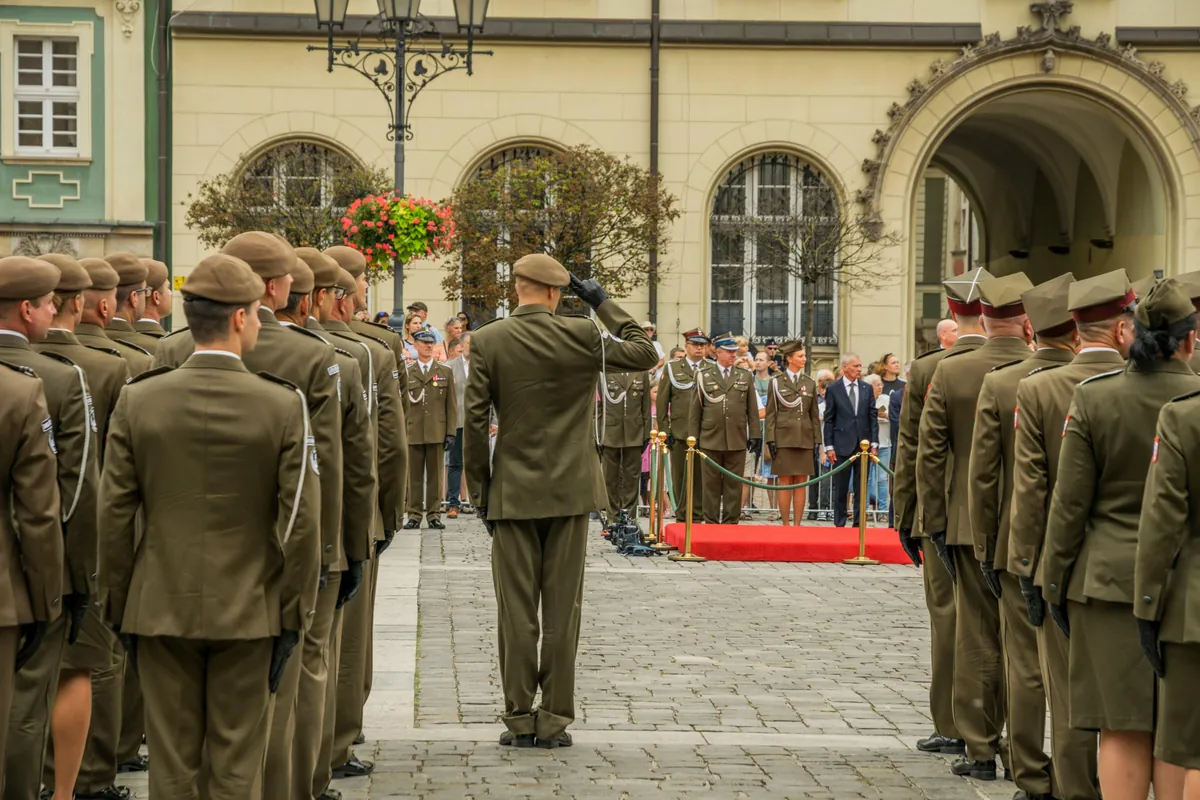
Russia and China share a mutual interest in challenging the global dominance of Western powers. In recent years, they have enhanced military cooperation through joint exercises, intelligence sharing, and technological exchanges. Annual joint military drills, such as the “Joint Sea” naval exercises and the “Vostok” army drills, showcase increasing interoperability between their armed forces. Wikipedia in English
Both countries also collaborate within multilateral frameworks such as the Shanghai Cooperation Organization (SCO), which focuses on regional security, counterterrorism, and political coordination. By working together, Russia and China aim to create a counterweight to NATO and U.S. military presence in Asia and Eastern Europe.
Arms Trade and Technology Transfer
Russia remains a key supplier of advanced military technology to China. Despite China’s growing indigenous defense industry, Russian equipment like fighter jets, air defense systems, and missile technologies continue to play a significant role in modernizing Chinese forces. In return, China’s advances in areas like drone technology and cyber warfare complement Russian capabilities.
Economic Ties: Trade, Energy, and Investments
Growing Trade Volume
Economic cooperation between Russia and China has expanded dramatically, driven largely by energy exports and infrastructure projects. China is now Russia’s largest trading partner, with annual trade volumes surpassing $140 billion as of recent years. Key exports from Russia to China include crude oil, natural gas, coal, and precious metals, while China exports electronics, machinery, and consumer goods to Russia.
Major infrastructure projects, such as the Power of Siberia pipeline, which transports Russian natural gas directly to China, exemplify their increasingly intertwined economies. This pipeline, launched in 2019, symbolizes a long-term commitment to energy partnership that benefits Russia’s export diversification and China’s energy security.
Investment and Regional Development
Chinese investment in Russia has targeted sectors such as infrastructure, telecommunications, manufacturing, and agriculture. Initiatives linked to China’s Belt and Road Initiative (BRI) extend into Russia’s Far East, fostering cross-border development and connectivity. For Russia, the BRI represents a strategic opportunity to modernize underdeveloped regions and attract capital, while China gains access to critical transportation corridors and resources.
Political and Diplomatic Dimensions
Shared Stance on Global Governance
Russia and China often present a united front in international forums like the United Nations Security Council. Both countries advocate for a multipolar world order, opposing what they view as Western dominance and interventionism. This shared worldview has led them to jointly veto resolutions perceived as damaging to their interests, particularly regarding sovereignty and non-interference.
Managing Differences and Limitations
Despite strong alignment on many issues, Russia and China’s relationship is not without tensions. Historical mistrust, competition over influence in Central Asia, and differing long-term strategic interests occasionally create friction. For example, while Russia maintains close ties with India and seeks to balance China’s rise, China increasingly asserts its leadership in Asia economically and militarily.
Balancing these dynamics requires cautious diplomacy. Both countries emphasize cooperation without formalizing a military alliance, preserving strategic autonomy as they navigate a complex global environment.
Future Outlook: Partnership or Rivalry?
Looking ahead, the partnership between Russia and China is likely to deepen, though nuanced by pragmatic considerations. Economic interdependence, shared geopolitical challenges, and mutual benefits encourage continued collaboration. For instance, with ongoing Western sanctions on Russia, China has become an even more crucial economic lifeline.
However, as China’s power continues to grow, some analysts speculate about potential rivalry, especially in regions where their interests overlap. Russia’s concerns about becoming economically dependent on China and China’s ambitions in the Arctic and Central Asia will test their alliance’s durability.
Ultimately, the Russia-China relationship exemplifies a new model of great-power interaction—one defined less by ideological alignment and more by strategic pragmatism in a multipolar world.
Frequently Asked Questions
How did Russia and China overcome their historical rivalry?
After decades of mistrust and border conflicts, the collapse of the Soviet Union and China’s economic rise shifted priorities. Both countries found common ground in countering Western influence and boosting economic ties, leading to a gradual normalization and strategic partnership from the early 2000s onward.
What role does energy play in Russia-China relations?
Energy is a cornerstone of their cooperation. Russia exports vast amounts of oil and natural gas to China, exemplified by projects like the Power of Siberia pipeline. These energy ties enhance Russia’s economic diversification and secure China’s growing energy needs.
Are Russia and China formal military allies?
No, they do not have a formal military alliance like NATO. However, they engage in joint exercises, technology sharing, and coordinated security policies, maintaining a strategic partnership that helps counterbalance Western military influences.
What are the main challenges facing the Russia-China partnership?
Key challenges include historical mistrust, competition for regional influence, and differing strategic interests. Both sides carefully manage these issues through diplomacy, avoiding overt conflict while maintaining cooperation.
How does the Russia-China relationship impact the global balance of power?
Their partnership promotes a multipolar world order by challenging Western dominance economically, politically, and militarily. Their combined influence reshapes alliances and encourages new power centers across Asia and beyond.