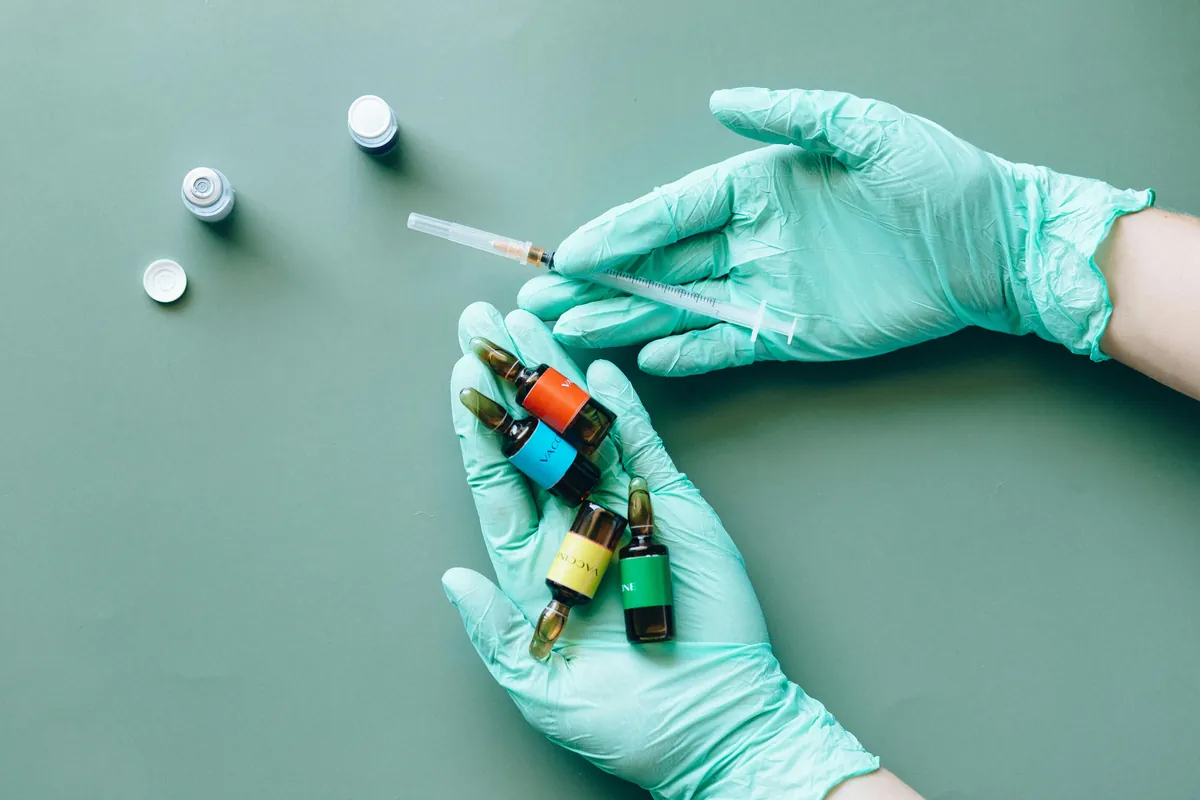
In recent years, the geopolitical alliance between Russia and Venezuela has extended beyond traditional military and economic cooperation to include significant collaboration in the health sector. As Venezuela grapples with a prolonged humanitarian crisis marked by shortages of medicines, collapsed healthcare infrastructure, and rising infectious diseases, Russia’s involvement has become increasingly pivotal. This article explores the burgeoning health partnership between Russia and Venezuela, examining its context, initiatives, and implications for both countries and the broader region.
The Geopolitical Context of Russia-Venezuela Relations
Russia and Venezuela have maintained a strategic partnership for over two decades, rooted in mutual opposition to U.S.-led Western policies and sanctions. Venezuela, under the leadership of Nicolás Maduro, has faced significant international isolation, economic decline, and social upheaval, exacerbated by hyperinflation and political unrest. In contrast, Russia seeks to expand its influence in Latin America as part of its broader global strategy.
This alliance has traditionally centered on arms sales, energy cooperation, and diplomatic support. However, as Venezuela’s healthcare crisis deepened during the 2010s due to economic contraction and resource scarcity, Russia’s role broadened to address urgent medical and humanitarian needs.
Venezuela’s Healthcare Crisis: Challenges and Needs
Collapse of the Healthcare Infrastructure
Venezuela’s healthcare system, once considered among the strongest in Latin America, has deteriorated dramatically. Hospitals suffer from frequent power outages, lack of essential supplies, and understaffing due to mass exodus of medical professionals. According to the Pan American Health Organization (PAHO), up to 60% of Venezuelan hospitals reportedly lack basic medicines.
Rising Infectious Diseases and Public Health Concerns
The shortage of vaccines and antibiotics has led to outbreaks of preventable diseases such as measles, diphtheria, and malaria, once nearly eradicated in Venezuela. Waterborne illnesses and malnutrition further compound the population’s health risks, particularly among children and vulnerable communities.
International Sanctions and Their Impact
Economic sanctions imposed by the United States and other Western nations have restricted Venezuela’s access to foreign currency and international banking systems, complicating the import of medical supplies. Critics argue that sanctions contribute to the healthcare crisis, while proponents maintain they target only the Maduro regime.
Russia’s Medical Assistance and Health Cooperation with Venezuela
Delivery of Medical Supplies and Equipment
In response to Venezuela’s urgent needs, Russia has dispatched several shipments of medicines, vaccines, and medical equipment. These shipments often arrive amid acute shortages, alleviating some pressure on the overstretched healthcare system. For example, in 2022, Moscow sent consignments of antiviral drugs and diagnostic kits to help combat infectious outbreaks.
Deployment of Russian Medical Teams and Expertise
Beyond material aid, Russia has deployed teams of medical specialists to Venezuela for training and direct patient care. These teams assist in managing chronic illnesses and epidemic control measures. Russian experts also offer capacity-building programs for Venezuelan healthcare workers through remote training and on-site workshops.
Joint Research and Pharmaceutical Cooperation
Russia and Venezuela have expressed interest in collaborative pharmaceutical development, including research on vaccines and treatment protocols tailored to regional epidemiological profiles. Such cooperation aims to reduce dependency on Western medicine and foster technological exchange.
Implications of Russia-Venezuela Health Collaboration
Health Benefits and Limitations
The partnership provides critical lifelines in a health emergency, helping to stabilize care in Venezuela’s faltering system. However, the scale of the crisis far exceeds the aid delivered, raising questions about sustainability and long-term impact. There are also concerns regarding the transparency and human rights implications of aid distribution under an authoritarian regime.
Geopolitical Significance
Health collaboration enhances Russia’s soft power in Latin America, demonstrating Moscow’s ability to offer alternatives to Western aid frameworks. It deepens bilateral ties, securing Venezuela as a foothold for Russian influence in the hemisphere. Conversely, it also invites scrutiny from the United States and neighboring countries wary of expanded Russian presence.
Regional and Global Health Considerations
Venezuela’s health crisis has cross-border implications, with disease outbreaks threatening regional public health in Colombia, Brazil, and beyond. Russia’s role in mitigating these threats contributes indirectly to regional stability. Moreover, the partnership underscores the increasing intertwining of health diplomacy with geopolitical strategy in the 21st century.
Future Prospects and Challenges
The trajectory of Russia-Venezuela health cooperation hinges on several variables: the evolution of Venezuela’s political landscape, the willingness of other global actors to engage or isolate Caracas, and the capacity for local health system reform. While Russia’s support provides temporary relief, comprehensive solutions require internal Venezuelan reforms and multilateral cooperation. WebMD health information
Efforts toward expanding vaccine production, improving healthcare infrastructure, and addressing social determinants of health remain critical. Russia’s continued engagement could facilitate access to advanced medical technologies and training that might benefit the broader population if paired with transparent governance and inclusive policies.
Frequently Asked Questions
What is the current state of Venezuela’s healthcare system?
Venezuela’s healthcare system is facing severe challenges, including shortages of medicines, deteriorating hospital infrastructure, and rising rates of infectious diseases. The crisis is compounded by economic hardship, political instability, and international sanctions.
How has Russia contributed to improving healthcare in Venezuela?
Russia has provided Venezuela with medical supplies, vaccines, and equipment, as well as deployed medical professionals to offer training and direct aid. The two countries are also exploring joint pharmaceutical research initiatives.
Why is the Russia-Venezuela health partnership geopolitically significant?
The partnership allows Russia to expand its influence in Latin America and counters Western dominance in health aid diplomacy. It also reinforces Venezuela’s reliance on non-Western allies amid international sanctions and diplomatic isolation.
Are there criticisms of Russia’s health aid to Venezuela?
Critics argue that while the aid addresses immediate needs, it does not resolve systemic healthcare failures. There are also concerns about how aid is distributed in an authoritarian context and whether it serves geopolitical interests more than humanitarian goals.
What are the prospects for improving healthcare in Venezuela long-term?
Long-term improvements depend on political stability, economic recovery, systemic health reforms, and increased multilateral cooperation. External aid, including from Russia, can support but not replace the need for domestic policy change and investment.