The story of haitian migrants in sports is one of resilience, passion, and the pursuit of opportunity against considerable odds. Across the Americas and beyond, athletes of Haitian descent have risen from challenging circumstances to make significant contributions in a variety of sports. This article explores the intersection of migration, identity, and athletics, highlighting how Haitian migrants and their descendants navigate obstacles while inspiring new generations.
The Historical Context of Haitian Migration
Haiti’s complex history and socio-political environment have led to waves of migration throughout the 20th and 21st centuries. Economic instability, political unrest, and natural disasters, such as the devastating 2010 earthquake, have pushed many Haitians to seek better lives abroad. This diaspora has largely settled in the United States, Canada, the Dominican Republic, and parts of Europe.
Within these migrant communities, sports have acted as a vital channel for cultural expression, social integration, and economic opportunity. The children and grandchildren of Haitian migrants often inherit a dual identity, merging Haitian heritage with the influences of their new homes. This blending shapes how Haitian-descended athletes approach competition, community, and representation.
The Role of Sports in Haitian Migrant Communities
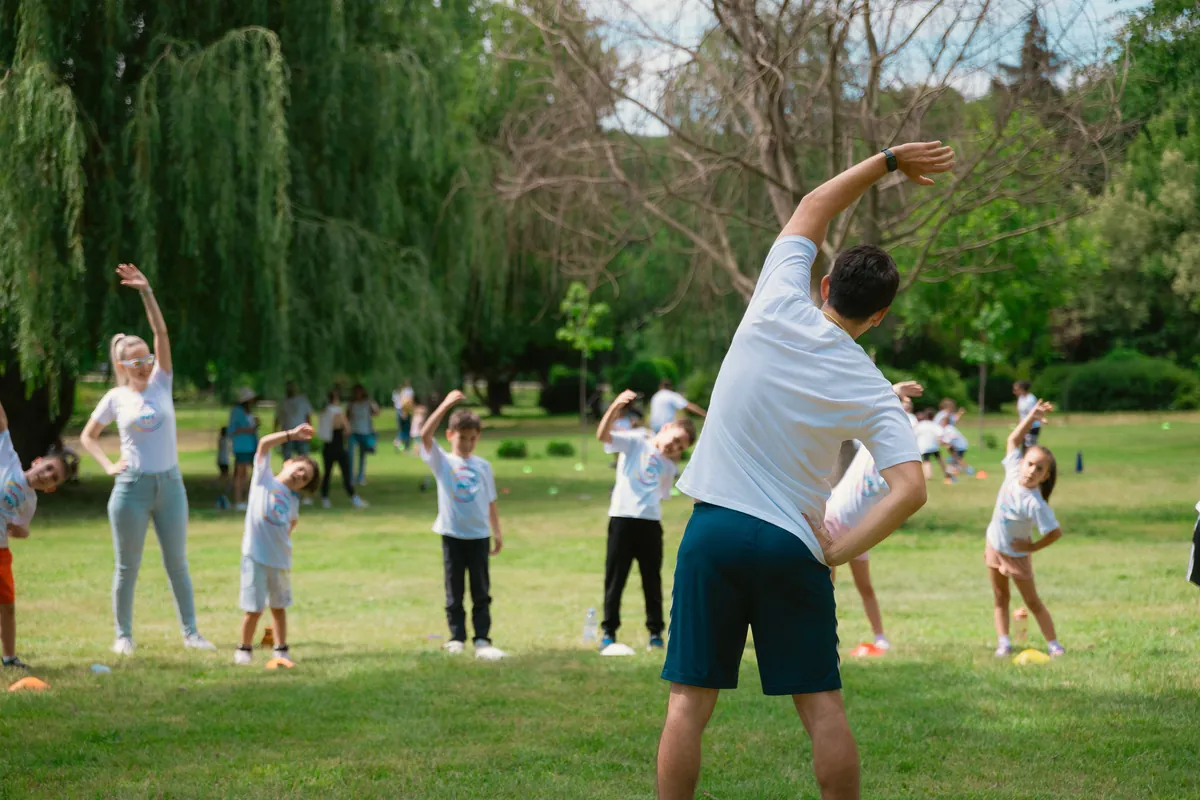
Sports play a multifaceted role in Haitian migrant communities. They offer a constructive outlet for youth, helping combat systemic challenges such as poverty, marginalization, and limited access to quality education or recreational facilities. Athletic programs in urban centers with large Haitian populations often focus on nurturing talent while fostering social cohesion.
For many Haitian migrants, sports serve as a promising route to higher education and professional advancement. Scholarships in basketball, soccer, and track and field provide critical opportunities that might otherwise be out of reach. Furthermore, successful athletes become role models, instilling pride and hope within their communities.
Soccer: A Global Passion and Haitian Talent
Soccer, or football, is a deeply ingrained passion in Haitian culture. Migrant communities maintain this love for the sport, organizing local leagues and supporting professional players of Haitian descent. Notable athletes like Jean-Jacques Pierre and Derrick Etienne Jr. have represented Haiti internationally while pursuing professional careers abroad.
In addition to men’s soccer, women’s soccer is gaining momentum among Haitian migrants, both in the United States and Canada. The sport’s growing popularity reflects broader trends in women’s sports and offers further opportunities for young Haitian women to excel and gain visibility.
Basketball: Breaking Barriers in the United States
Basketball is another major sport where Haitian migrant athletes have carved out space. In U.S. cities with significant Haitian populations, such as Miami, Boston, and New York, basketball courts serve as hubs for community gathering and talent development.
Players like Skal Labissière, who was born in Haiti before moving to the U.S., have made headlines for their accomplishments at collegiate and professional levels. The visibility of such athletes helps challenge stereotypes and highlight the diverse backgrounds of American sports stars.
Track and Field: Speed and Determination
Track and field also holds a special place in Haitian sports culture. Haitian migrant athletes often excel in sprinting and jumping events — disciplines that require minimal equipment and are accessible in many low-resource settings.
Elite athletes such as Jeff Julien, who competes internationally, illustrate how the intersection of athletic talent and migrant experience can generate success on the world stage. Their achievements bring attention to the broader Haitian community and its potential.
Challenges Faced by Haitian Migrant Athletes
Despite their achievements, Haitian migrant athletes confront numerous challenges. Language barriers, financial constraints, and limited access to training facilities can hinder talent development. Many young athletes also grapple with the pressures of balancing sports with education and family responsibilities.
Moreover, the broader social context includes systemic racism and discrimination, which can affect Haitian migrants’ experiences both on and off the field. In some cases, undocumented status or complicated immigration circumstances create significant obstacles to participation in organized sports. ESPN sports news
Access to healthcare and adequate nutrition are additional concerns, especially for younger athletes aiming to compete at higher levels. Without proper medical support, injuries and health issues can prematurely end promising careers.
Success Stories: Haitian Migrants Who Made Their Mark
Highlighting success stories reinforces the positive impact Haitian migrant athletes have had across various sports. These individuals demonstrate the power of perseverance and community support.
Bruny Surin: Sprinting to Olympic Glory
Though born in Haiti, Bruny Surin moved to Canada as a child and became one of the country’s most celebrated sprinters. He won multiple Olympic medals, including a gold in the 4×100-meter relay at the 1996 Atlanta Games. Surin’s journey embodies the possibilities that emerge from migration and athletic dedication.
Saël Kumbedi: Rising Soccer Star in Europe
Saël Kumbedi, a young footballer of Haitian descent born in France, is a promising talent making waves in European soccer. His presence underscores the global reach of the Haitian diaspora and the ways migrant communities contribute to sports at every level.
Jean Jean-Louis: Basketball Beyond Borders
Jean Jean-Louis, a Haitian-American basketball player, has competed professionally in international leagues while actively engaging in community outreach programs. His dual commitment to sport and social impact reflects the broader role sports can play in migrant integration and empowerment.
The Future Outlook: Opportunities and Growth
The Haitian migrant presence in sports continues to evolve as infrastructure, programs, and community support improve. Grassroots organizations aiming to expand access to sports facilities and coaching are critical to this progression.
Investment in youth sports, especially in cities with high concentrations of Haitian migrants, offers a pathway for broader social inclusion and economic mobility. Additionally, increased media coverage of Haitian athletes provides valuable visibility that can inspire policy changes and sponsorship opportunities.
Technological advancements also create new possibilities for talent scouting and training, helping overcome some traditional geographic and resource limitations. Virtual platforms enable training, mentorship, and exposure to scouts worldwide, benefiting Haitian migrant athletes everywhere.
Conclusion
The journey of Haitian migrants in sports is a testament to determination, cultural pride, and the transformative power of athletics. Through soccer, basketball, track and field, and other disciplines, Haitian migrant athletes defy obstacles and contribute richly to the global sports landscape. Their stories resonate beyond the playing field, offering lessons on resilience, identity, and community upliftment.
As more resources and opportunities become available, the impact of Haitian migrants in sports is poised to grow, inspiring future generations and fostering connections across diverse societies.
Frequently Asked Questions
Who are some famous Haitian migrant athletes?
Notable Haitian migrant athletes include sprinter Bruny Surin, basketball player Skal Labissière, and soccer players Jean-Jacques Pierre and Derrick Etienne Jr. These individuals have achieved success at professional and international levels.
What sports are most popular among Haitian migrants?
Soccer, basketball, and track and field are among the most popular sports for Haitian migrants, reflecting both cultural preferences and accessibility within migrant communities.
What challenges do Haitian migrant athletes face?
Common challenges include limited access to quality training facilities, financial barriers, language difficulties, discrimination, and sometimes complicated immigration status that impacts their sports participation.
How do Haitian migrant communities support young athletes?
Many communities organize local sports leagues, provide mentoring and coaching, and work with schools and nonprofits to offer scholarships and development programs that nurture young talent.
How has Haitian migration affected sports internationally?
Haitian migration has diversified sports teams and leagues worldwide, introducing new talents and perspectives. Haitian-descended athletes often bridge cultures and highlight the global nature of sports today.